

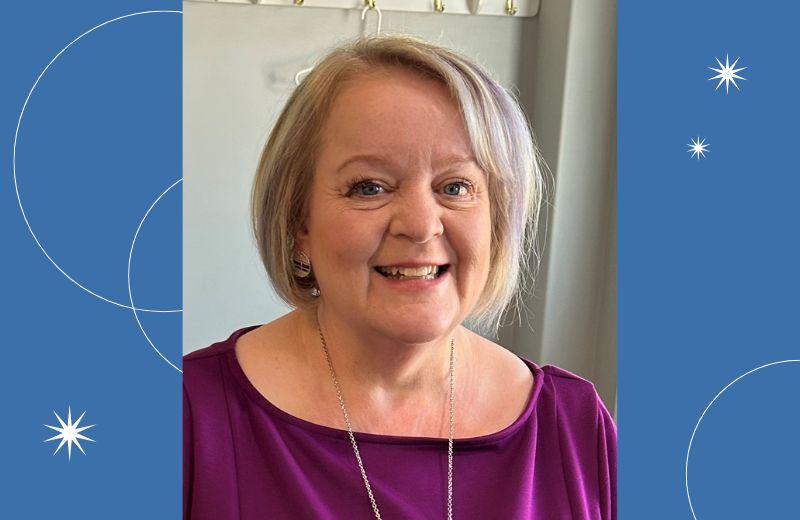
March is Pharmacy Appreciation Month, a time to celebrate and thank pharmacists, pharmacy technicians, pharmacy assistants, and all pharmacy staff for the vital role they play in supporting safe, effective, and patient-centred care. Pharmacists work closely with community health care teams and patients to optimize medication use through evidence-based practice, shared decision making, education, and proactive care planning. Help us celebrate Northern Health pharmacy teams and thank them for their expertise and commitment!
Meet Tracey Hotson
Every day, Tracey faithfully took all 20 pills prescribed to her and wondered if she truly needed so many.
A Fort St. John local, Tracey’s medical conditions included diabetes and high blood pressure. She’d been working with her medical team, including a family physician, specialists, and a diabetes educator for years. During a routine visit with her family physician, he suggested that Tracey meet with the local primary care pharmacist to review her current medications.
Support from the primary care pharmacist
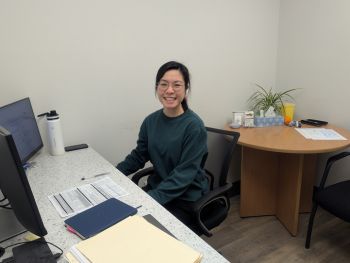
Fort St. John’s Primary Care pharmacist, Cheuk Wai Tara (Tara) Luk, has an office in each of the local medical clinics, so Tracey was able to meet Tara in the private and familiar space of her family physician’s clinic. Tracey noted the primary care pharmacist took a respectful, non-judgmental, and patient-centered approach, where Tracey received support and undivided attention.
“Tara reduced my medication and didn’t make my diabetes any worse, it got better,” she said. “She made some of my medications into combo pills (pills that contain two different medications in one pill). That was extremely helpful in cutting down how many meds I have to take. Having those combo pills was a game changer for me.” Combo pills benefit patients by helping them take fewer pills without changing their medication regimen.
“Tara acted like a partner in my care,” Tracey reflected. “When she gave a suggestion, she ran it by my doctor and didn’t just say ‘here you go’. She asked for bloodwork later to confirm what changes were or weren’t working. I thought it was good there were follow-ups and monitoring.”
With the primary care pharmacist’s support and her family physician’s approval, Tracey now only takes 12 pills a day. Her diabetes and blood pressure continue to be well controlled.
Supporting patients with medication-related concerns
There are nearly 60 primary care pharmacists working in community-based health care networks called Primary Care Networks (PCNs) across BC, including the one in the North Peace PCN, which Fort St. John belongs to. Tara has been working with the team since October 2024 seeing up to eight patients a day on an appointment basis. Most people will meet with Tara for at least two visits, while others require multiple visits over time.
Pharmacists see patients for various reasons. In addition to managing polypharmacy (being on five or more prescription medications at once), primary care pharmacists:
- Spend dedicated time with patients to learn about and address their health needs and goals
- Help patients understand their medications so they can take an active role in their own care
- Address barriers to medication use, including cost and pill burden concerns
- Manage side effects, polypharmacy, and improve chronic disease control
In Fort St. John and the rest of the North Peace area, patients can self-refer to see the primary care pharmacist or ask to be referred by a member of their health care team. For more information, patients should contact their family physician, nurse practitioner, or medical clinic.
Improving patient outcomes - pharmacists and interprofessional team collaboration
Carmen Maddigan, Registered Dietitian and Certified Diabetes Educator at the Fort St. John Diabetes Education Center, has referred multiple patients to Tara. “I most often refer patients with diabetes requiring insulin who may not be optimized with non-insulin diabetes medications,” she noted. “The pharmacist is particularly well-suited for reviewing the pros and cons of medication changes with the patient. The benefits of having a primary care pharmacist in a rural community who’s willing to collaborate with other disciplines can’t be overstated.”
Primary care pharmacists also refer patients to other members of the health care team and collaborate to improve patient outcomes. Tara has worked with the social work team, case managers, mental health clinicians, and nurses in Fort St. John’s various interprofessional teams.
The benefits of talking to a primary care pharmacist
Tracey still regularly meets with Carmen and Tara in addition to her family physician to further improve her medication management. She feels that many people could benefit from speaking with their primary care pharmacist, especially seniors, people who take many medications, or people struggling to manage or pay for their medications.
Reach out to your primary care pharmacist and let them help you manage your medications and ensure you’re an informed partner in your own health!











Comments